

Introduction:
Work trucks are the backbone of many industries, from construction to landscaping to agriculture. These vehicles are essential for transporting heavy equipment, materials, and supplies to job sites. One critical component that enables work trucks to efficiently tow heavy loads is the towing hitch. In this comprehensive guide, we will delve into the world of work truck towing hitches, exploring their types, features, benefits, installation process, maintenance tips, and more.
Types of Towing Hitches for Work Trucks:
When it comes to towing hitches for work trucks, there are several types to choose from, each offering unique features and capabilities. The most common types of towing hitches used for work trucks include:
1. Receiver Hitch: Receiver hitches are one of the most popular types of towing hitches for work trucks. They consist of a square receiver tube that is mounted to the rear of the truck. Receiver hitches come in different classes, such as Class I, Class II, Class III, Class IV, and Class V, each capable of towing different weight capacities.
2. Gooseneck Hitch: Gooseneck hitches are designed for heavy-duty towing applications. They feature a ball mount that is installed in the truck bed, allowing for better weight distribution and stability when towing large trailers or equipment.
3. Fifth Wheel Hitch: Fifth wheel hitches are commonly used in commercial applications where heavy loads need to be towed. impact of regulations on truck mounted cranes are mounted in the bed of the truck and provide a secure connection between the truck and the trailer.
4. Pintle Hitch: Pintle hitches are known for their durability and strength, making them ideal for towing heavy loads in rugged terrain. They consist of a hook and loop mechanism that provides a secure connection between the truck and the trailer.
Features and Benefits of Work Truck Towing Hitches:
Work truck towing hitches come with a range of features and benefits that make them essential for towing heavy loads efficiently and safely. Some of the key features and benefits of work truck towing hitches include:
1. Versatility: Towing hitches are versatile and can be used to tow a wide range of trailers, equipment, and supplies, making them essential for various industries.
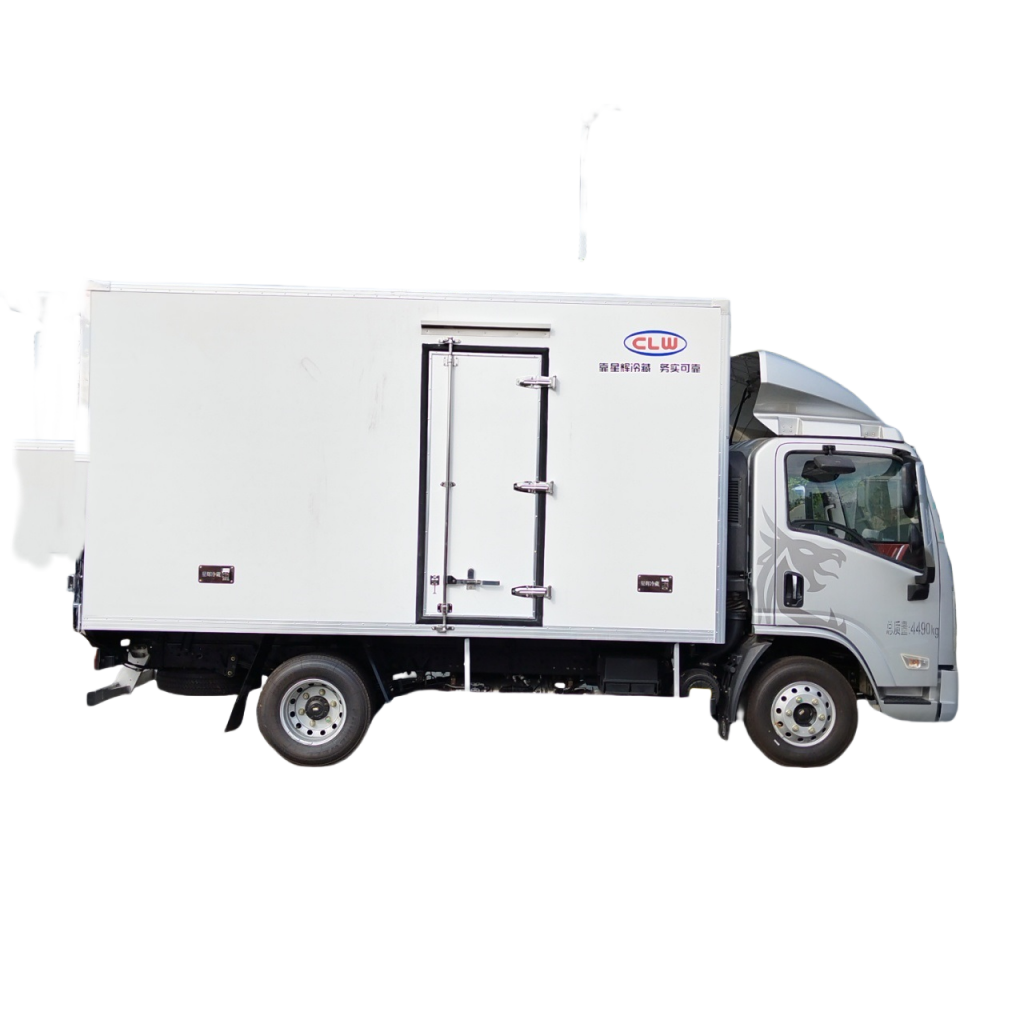
2. Weight Capacity: Towing hitches are designed to tow specific weight capacities, ensuring that work trucks can safely tow heavy loads without risking damage to the vehicle or compromising safety.
3. Durability: Work truck towing hitches are built to withstand heavy use and harsh conditions, ensuring that they can handle the demands of towing heavy loads over long distances.
4. Safety: Towing hitches are equipped with safety features such as locking mechanisms and built-in sway control systems that help ensure a secure connection between the truck and the trailer, reducing the risk of accidents or mishaps.
Installation Process of Work Truck Towing Hitches:
Installing a towing hitch on a work truck requires careful planning and execution to ensure that the hitch is securely attached and aligned for safe towing. The installation process of a work truck towing hitch typically involves the following steps:
1. Determine Hitch Type: The first step in installing a towing hitch on a work truck is to determine the type of hitch that is compatible with the truck's make and model, as well as the towing requirements.
2. Gather Tools and Equipment: Before starting the installation process, gather all the necessary tools and equipment, such as a socket wrench, torque wrench, and hitch mounting hardware.
3. Position Hitch: Position the hitch under the truck's frame and align it with the mounting holes. Ensure that the hitch is level and centered before proceeding with the installation.
4. Attach Hitch: Securely attach the hitch to the truck's frame using the provided mounting hardware. Tighten the bolts and nuts to the specified torque settings to ensure a secure connection.
5. Test Hitch: After installing the hitch, test it by attaching a trailer or load to ensure that the connection is secure and that the hitch can safely tow the load.
Maintenance Tips for Work Truck Towing Hitches:
Proper maintenance of work truck towing hitches is essential to ensure their longevity and performance. Here are some maintenance tips to keep your towing hitch in top condition:
1. Regular Inspection: Periodically inspect the towing hitch for signs of wear and damage, such as rust, cracks, or loose bolts. Address any issues promptly to prevent further damage.
2. Lubrication: Keep the moving parts of the towing hitch well-lubricated to prevent friction and wear. Use a high-quality lubricant to ensure smooth operation.
3. Cleaning: Clean the towing hitch regularly to remove dirt, debris, and corrosion that can affect its performance. Use a brush and mild detergent to clean the hitch thoroughly.
4. Storage: When not in use, store the towing hitch in a dry and secure location to protect it from the elements and prevent rust or corrosion.
Conclusion:
Work truck towing hitches are essential components that enable work trucks to tow heavy loads safely and efficiently. With the right type of towing hitch, proper installation, and regular maintenance, work trucks can maximize their towing capabilities and productivity. Whether you choose a receiver hitch, gooseneck hitch, fifth wheel hitch, or pintle hitch, selecting the right towing hitch for your work truck is crucial for ensuring smooth and reliable towing operations. By following the tips and guidelines outlined in this comprehensive guide, you can unleash the full power of your work truck towing hitch and tackle any towing task with confidence.